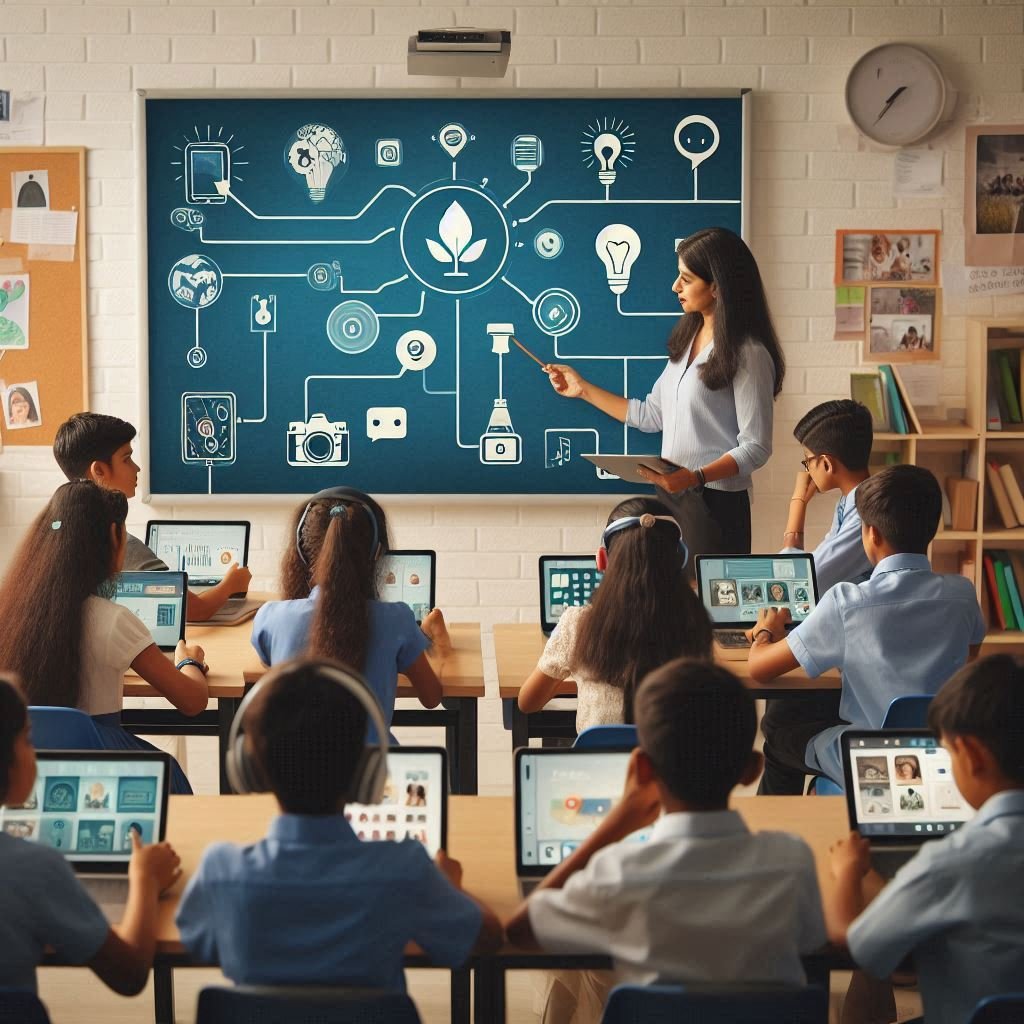
In today’s rapidly evolving educational landscape, digital storytelling in education has emerged as one of the most engaging and transformative tools. At Kaahe, we’ve seen firsthand how digital storytelling empowers students to not only understand academic concepts but also connect deeply with their emotions, culture, and creative potential. This blog explores seven powerful ways in which this medium is revolutionizing the learning experience for school and college students across India.
What is Digital Storytelling in Education?
Digital storytelling in education refers to the practice of using digital tools — such as images, video, audio, and text — to tell a personal, social, or educational story. Instead of traditional classroom learning, students become the creators. They can make photo essays, record interviews, film skits, or build animated explainer videos. It’s not just about using technology; it’s about using it meaningfully to connect thoughts, values, and purpose.
This approach is increasingly popular in progressive schools, co-curricular programs, and creative workshops like those run by Kaahe. Students learn to blend logic with creativity, structure with emotion — essential traits for real-world readiness.
1. Builds Confidence Through Expression
Many students struggle with stage fright or fear of public speaking. Digital storytelling offers a non-intimidating way to express thoughts. Take Sneha, a quiet 9th grader from Haldwani, who barely spoke in class. In a Kaahe workshop, she used her smartphone to record her voiceover over a series of images she clicked about women street vendors. Her peers applauded not only the visuals but her powerful narration. That moment sparked her confidence — she realized her voice mattered.
This form of expression allows students to rehearse, reflect, and refine their message before presenting, making it easier for them to own their voice without fear. It also supports students with anxiety or learning differences who might not thrive in traditional public speaking settings.
2. Encourages Collaboration & Teamwork
Creating a digital story often involves collaboration. One student scripts, another shoots video, one records audio, and another edits. This mimics real-world project-based teamwork. In a college-level workshop in Dehradun, a team of five students created a short video about the impact of fast fashion. Their project involved interviewing people, recording at thrift shops, and editing footage with subtitles and transitions. The result was a brilliant example of shared creativity and effort.
Such collaborative environments teach communication, delegation, accountability, and respect for timelines — all essential for workplace success.
3. Fosters Creative Confidence
In digital storytelling, there’s no single right way to tell a story. Students use color, music, transitions, and imagery to enhance meaning. In one workshop, a student created a time-lapse video showing the transformation of a community park. She added background music and a poetic voiceover. Though she wasn’t a top performer academically, her project was applauded and shown during school assembly.
Creative validation matters deeply during teenage years. Students who engage in digital storytelling often say they feel “seen” for the first time — not for grades, but for their ideas and effort. This promotes self-worth and resilience.
4. Connects to Emotional Intelligence
One of the strongest benefits of digital storytelling in education is its emotional depth. By telling personal or community stories, students process feelings, memories, and moral dilemmas. In a Kaahe workshop on storytelling and memory, a student narrated the story of his parents’ migration from Uttarakhand to Delhi. He used family photos, background music, and short animations to depict their struggles.
The process was cathartic. He later said, “I understood my family better while making that story.” Teachers noticed a shift in his behavior — more empathy, better participation. Such emotional intelligence is crucial in today’s world where social skills often matter as much as academic scores.
5. Bridges Real-World Skills
Digital storytelling organically integrates multiple life skills. Students learn:
- Storyboarding and sequencing
- Basic camera and lighting techniques
- Audio editing and voice modulation
- Media ethics and digital hygiene
- Project planning and execution
For example, a 12th-grade group in a workshop conducted by Kaahe made a documentary on their local river. They learned to conduct interviews, use DSLR cameras, edit in software like InShot and CapCut, and add subtitles. This experience mirrors real career workflows — from journalism and content creation to research and community development.
Even for students not pursuing media-related careers, these skills enhance presentations, communication, and confidence in all professional fields.
6. Enhances Cultural Awareness
When students are encouraged to tell stories rooted in their cultural identity, they develop pride and awareness of heritage. A group of middle school students in Almora made a short film featuring Kumaoni songs and temple rituals. In the process, they interviewed elders, researched traditions, and designed costumes for dramatized segments.
Storytelling becomes a powerful medium for preserving folk narratives, art forms, and local dialects — while building bridges between generations. It also opens respectful conversations about diversity and regional identity.
7. Supports Multisensory and Inclusive Learning
Different learners absorb information in different ways. A child with dyslexia might struggle with long paragraphs but excel in building visual stories. A student who dislikes rote memorization might shine while scripting a rap video about environmental awareness.
By combining visual, auditory, and kinesthetic modes of learning, digital storytelling in education caters to a wider range of students. At Kaahe, we’ve seen academically struggling students find new purpose and joy through storytelling formats.
Integrating Storytelling with Academics
Teachers and institutions can integrate digital storytelling into subjects like history, science, and language. Imagine:
- A digital diary from the point of view of Bhagat Singh in history class
- A science explainer video on climate change using real footage
- A poetry video combining text and visuals for literature lessons
This kind of integration reinforces subject learning while developing communication skills.
How Kaahe Workshops Make It Happen
Our workshops under the “Theatre, Music & Art Expression” and “Photography & Storytelling” categories are built to spark creativity while keeping learning outcomes measurable. We offer:
- Short 90–120 min creative sessions for schools and colleges
- Weekend film lab formats for in-depth exploration
- Mentorship by photographers, filmmakers, and educators
- Customized sessions for academic subjects through storytelling
Students earn badges like “Visual Explorer,” “Creative Narrator,” and “Cultural Storyteller” to showcase their growth.
Conclusion: The Future is Story-Led
We live in a world where attention is fleeting but stories stay. Digital storytelling in education builds more than communication skills — it builds identity, empathy, and voice. It allows learners to become teachers, students to become creators, and classrooms to become stages for real transformation.
At Kaahe, we believe every child has a unique story that deserves to be heard — and digital storytelling gives them the power to shape it, tell it, and live it. Let’s raise a generation that’s not just digitally skilled, but soulfully expressive.
Internal Linking Suggestions:
- Link to “Cyber Wellness and Safe Surfing” blog from “media ethics and digital hygiene” mention
- Link to “Emotional Intelligence for Youth” blog from “empathy and emotional intelligence” line
- Link to “Photography & Storytelling” blog as CTA near conclusion

Pingback: Photography for Students: A Creative Guide - kaahe.in